Published by Alex Smith
As a young teen, I unknowingly practiced what many today call semen retention, no‑fap, or even forms of edging and tantra. I became fascinated with how the body worked and obsessed over whether I could increase my semen volume. I tried everything—from drinking more water to sneaking a folic acid supplement my mom left on the kitchen table—just to see if it made a difference.
Fast forward 25+ years of experimenting with supplements, diets, bro‑science trends, and actual peer‑reviewed research… and I’ve finally discovered what I consider the ultimate supplement cocktail for supporting healthy semen volume. At 40 plus my output should be on the decline but with this cocktail my wife is still amazed at the output produced. She’s like why’s it so much!
This is not medical advice. Always speak with a licensed healthcare professional before starting any supplement.
1. Hydration (Water)
I’ll start with the boring stuff. Proper hydration is the foundation of healthy semen volume. Semen is mostly water, so dehydration directly reduces ejaculate volume.
Research-backed insights:
• Studies show that dehydration decreases overall bodily fluid production, including seminal plasma.
• Adequate hydration supports optimal function of the accessory glands (prostate, seminal vesicles) that contribute most of semen volume.
• Even mild dehydration can reduce plasma volume and affect reproductive fluid output.
Key takeaway: Staying hydrated isn’t optional—it’s the baseline requirement for healthy semen volume. Tip. If you have a night of drinking I would advise keeping a good electrolyte powder on standby.
2. N‑Acetyl Cysteine (NAC)
NAC is a precursor to glutathione, one of the body’s most important antioxidants.
What research shows:
• Clinical trials have found NAC improves semen quality, including motility and morphology.
• A 2016 study on men with varicocele showed NAC supplementation improved semen parameters and reduced oxidative stress.
• While most studies focus on quality rather than volume, improved seminal gland function often correlates with healthier output.
3. Alpha Lipoic Acid (ALA)
ALA is another powerful antioxidant that supports cellular energy and reduces oxidative stress.
Research findings:
• ALA has been shown to improve sperm concentration, motility, and overall reproductive health.
• Studies indicate ALA reduces oxidative damage in seminal fluid, which may support healthier glandular function.
• Trials show improved seminal plasma antioxidant capacity, indirectly supporting volume.
4. Black Seed Oil (Nigella Sativa)
A traditional remedy with surprisingly strong modern research behind it.
Evidence:
• Multiple studies show black seed oil improves sperm count, motility, and semen quality.
• A 2014 randomized controlled trial found significant improvements in semen parameters after 2 months of supplementation.
• Its antioxidant and anti‑inflammatory properties may support seminal vesicle and prostate function.
5. Selenium
Selenium is essential for reproductive health and antioxidant defense.
Research:
• Selenium deficiency is associated with reduced sperm production and impaired seminal gland function.
• A 2012 study found selenium combined with vitamin E improved semen quality in infertile men.
• Adequate selenium supports healthy sperm development and may indirectly support volume.
6. CoQ10 (Coenzyme Q10)
CoQ10 is crucial for mitochondrial energy production.
Studies show:
• CoQ10 supplementation improves sperm concentration, motility, and morphology.
• A 2013 meta‑analysis confirmed significant improvements in semen parameters across multiple trials.
• Increased cellular energy may support healthier seminal fluid production.
Honorable Mentions
7. Lycopene
A carotenoid found in tomatoes with strong antioxidant effects.
Research:
• Lycopene supplementation has been shown to improve sperm concentration and motility.
• Some studies show improved seminal plasma antioxidant levels, supporting glandular health.
8. Ashwagandha
A well‑known adaptogen with reproductive benefits.
Evidence:
• A 2010 study found ashwagandha significantly increased semen volume, sperm count, and motility.
• It reduces stress hormones, which can negatively impact reproductive function.
9. Maca Root
A traditional Peruvian root used for vitality.
Research:
• Multiple studies show maca improves libido and subjective sexual well‑being.
• Trials show increases in semen volume and sperm count after consistent use.
10. Omega 3 fish oil
Omega‑3 fatty acids—especially EPA and DHA—play a major role in reproductive health because they influence cell membrane structure, inflammation, and hormone signaling.
What the research shows:
• Improved semen volume & sperm count
A 2020 study published in JAMA Network Open found that men who consumed higher levels of omega‑3s had larger testicular size, higher semen volume, and greater total sperm count compared to men with low omega‑3 intake.
(This is one of the strongest modern studies linking omega‑3s to semen volume.)
• Better sperm morphology and motility
A 2019 randomized controlled trial showed that omega‑3 supplementation significantly improved sperm motility and morphology, likely due to improved membrane fluidity and reduced oxidative stress.
• Reduced inflammation in reproductive tissues
Omega‑3s have anti‑inflammatory effects that support the prostate and seminal vesicles—two glands responsible for producing most of semen volume.
• Higher seminal plasma DHA levels correlate with better reproductive parameters
Multiple studies show that men with higher DHA levels in seminal fluid tend to have better semen quality overall, including healthier glandular function.
Why omega‑3s matter for volume:
Semen volume is heavily influenced by the seminal vesicles, prostate, and hydration status. Omega‑3s support these systems by:
• Improving blood flow
• Reducing oxidative stress
• Supporting healthy glandular secretions
• Enhancing cell membrane integrity in reproductive tissues
11. Abstinence
Now I know this isn’t fun but Abstinence—meaning going multiple days without ejaculation—is one of the most consistently documented factors influencing semen volume. This is because semen volume is largely determined by the seminal vesicles and prostate, which need time to replenish their secretions.
What the research shows:
• Semen volume increases with abstinence up to a point
A widely cited study in Human Reproduction found that semen volume increases steadily for the first 2–7 days of abstinence. After about a week, the increase slows and eventually plateaus.
• Sperm concentration also rises during short-term abstinence
The World Health Organization’s semen analysis guidelines note that 2–3 days of abstinence typically produce the most balanced semen parameters.
• Long-term abstinence doesn’t keep increasing volume
Studies show that after roughly 7–10 days, semen volume doesn’t continue rising significantly, and sperm motility may actually decrease due to aging sperm cells.
Why abstinence affects volume:
• Seminal vesicles produce ~70% of semen volume
• Prostate contributes ~20–30%
• These glands refill over time
• Ejaculation temporarily depletes stored seminal fluid
• Abstinence allows full replenishment
This is a biological replenishment cycle—not a “hack”—and it varies from person to person.
Case Study: Short-Term Abstinence and Semen Volume
Case Overview
A peer‑reviewed clinical study published in Archives of Andrology evaluated how abstinence duration affected semen parameters in healthy adult men.
Participants
• 28 healthy men
• Ages 20–40
• No reproductive disorders
• Followed controlled abstinence periods of 1, 3, 5, and 7 days
Findings
• Day 1:
Lowest semen volume and sperm concentration.
• Day 3:
Semen volume increased by ~25–30% compared to Day 1.
Sperm concentration increased significantly.
• Day 5:
Semen volume increased further, reaching ~40–50% above Day 1.
Sperm motility remained stable.
• Day 7:
Semen volume plateaued—only a small increase beyond Day 5.
Sperm motility began to decline slightly due to aging sperm cells.
Conclusion from the case study:
Short-term abstinence (2–5 days) produces the most noticeable increase in semen volume. Beyond 7 days, the benefits taper off and may even negatively affect sperm quality.
Personally I’ve found pairing abstinence with edging greatly increases volume past that 7 day threshold.
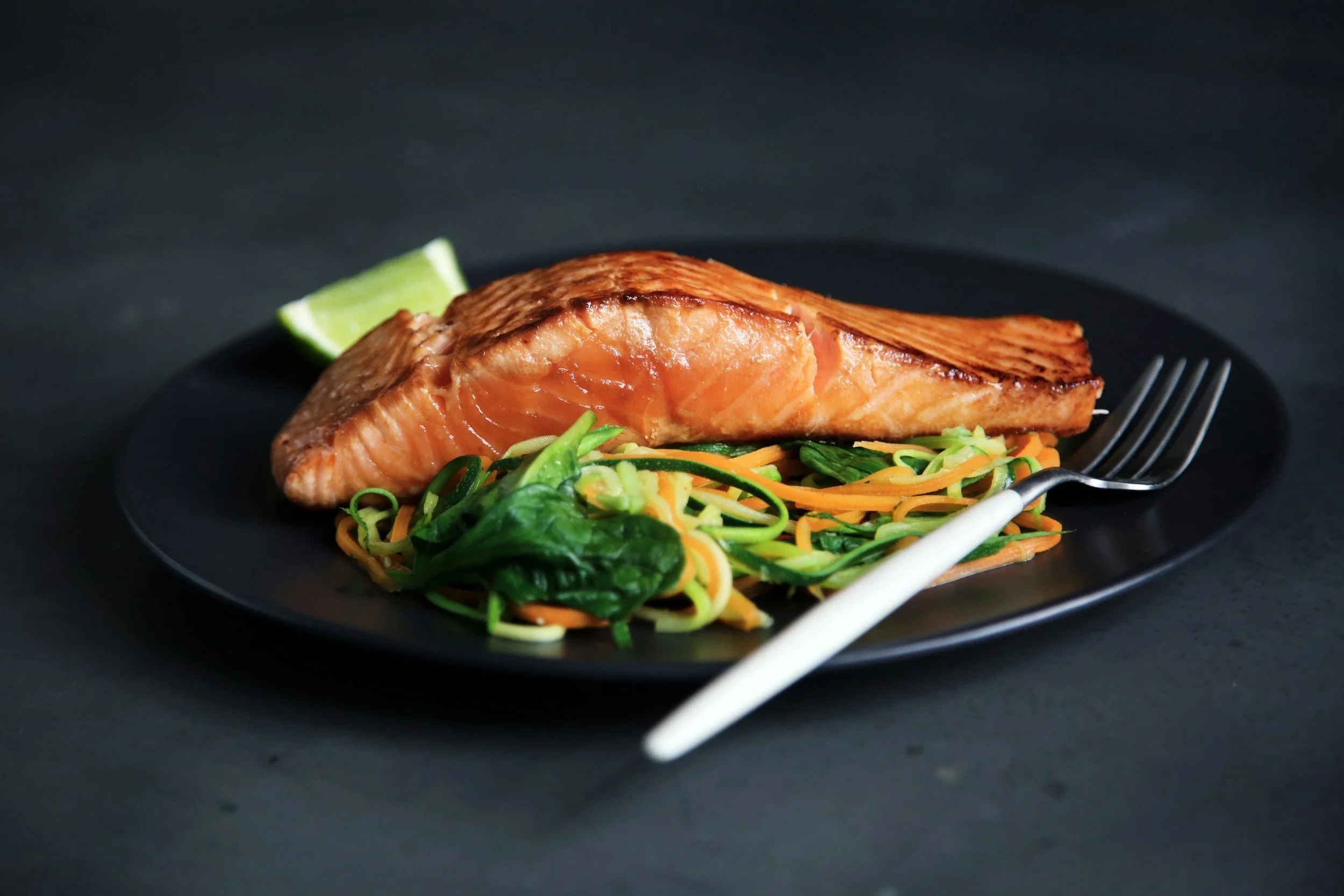
As far as diet goes I found adding oats, eggs, nut and seed butters best for more volume.
After decades of trial, error, and deep research, I’ve learned that increasing semen volume isn’t about chasing miracle pills—it’s about supporting the body’s natural systems. Hydration, antioxidants, and gland‑supportive nutrients create an environment where your reproductive system can perform at its best.
This “cocktail” isn’t magic. It’s biology. When you give your body what it needs, it responds.
Remember: always consult a healthcare professional before starting any supplement routine. Your body deserves informed decisions, not guesswork.