How Increasing Semen Volume Could Improve Longevity
Antioxidants play a major role in protecting the body from oxidative stress — a biological process linked to aging, inflammation, and chronic disease. While semen volume itself is not a direct predictor of life expectancy, the underlying factors that influence semen volume (nutrient status, glandular health, oxidative balance, and metabolic function) overlap significantly with the biological pathways associated with longevity.
This page explores how antioxidant intake supports overall health, how oxidative stress affects reproductive function, and why improving antioxidant status may benefit both semen parameters and long-term wellness.

Underlying Oxidative Stress and Aging
Oxidative stress occurs when the body has more free radicals than antioxidants available to neutralize them. Over time, this imbalance contributes to:
• Cellular damage
• DNA instability
• Chronic inflammation
• Reduced organ function
• Accelerated aging
High antioxidant intake helps counteract these processes, supporting healthier aging and potentially extending life expectancy.
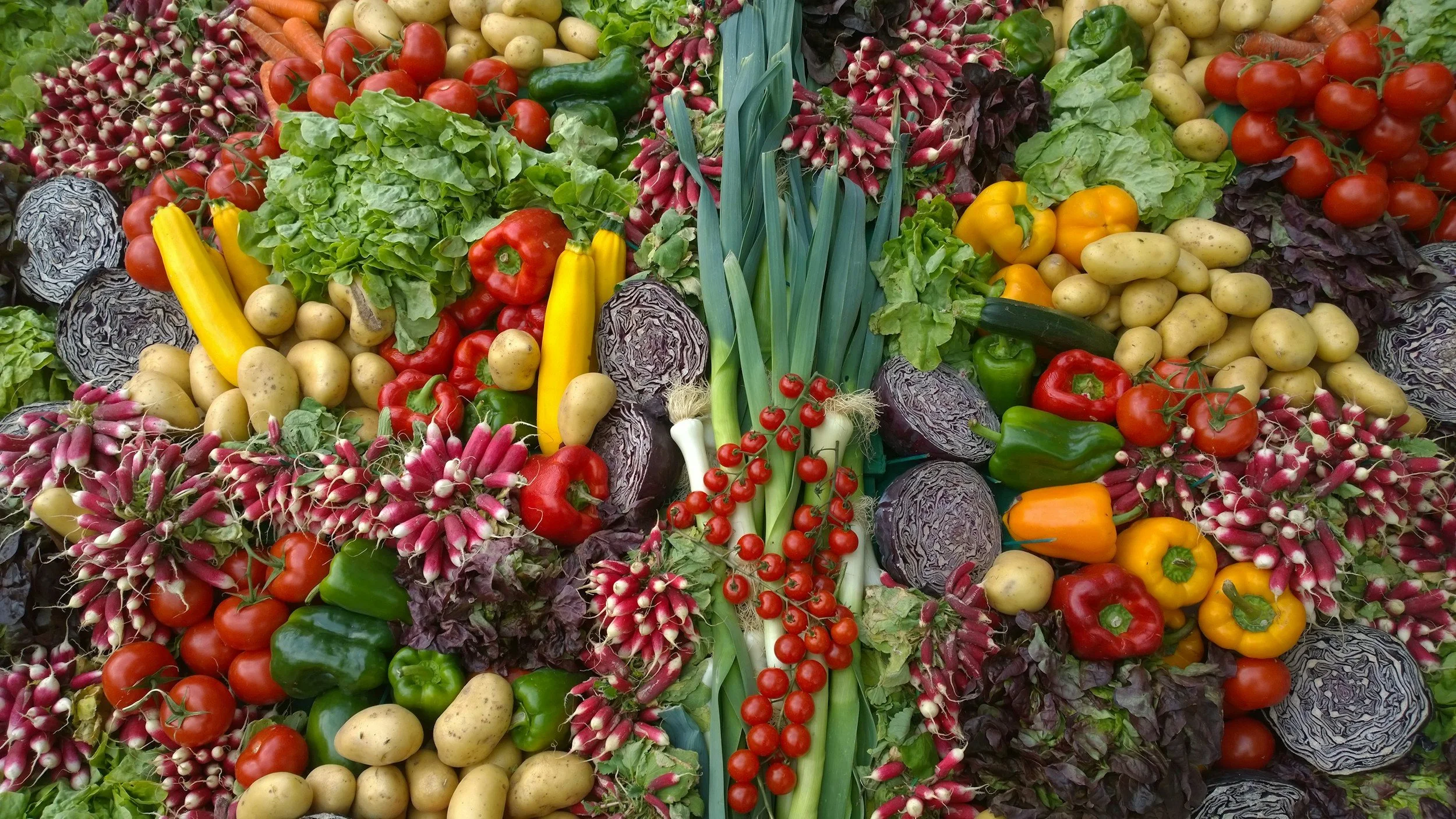
How Antioxidants Support Male Reproductive Health
The male reproductive system is particularly sensitive to oxidative stress. Seminal fluid naturally contains antioxidants to protect sperm cells. When antioxidant levels are low, oxidative damage can affect:
• Seminal gland function
• Fluid production
• Hormonal balance
• Sperm quality
Increasing antioxidant intake may support normal semen volume by improving glandular health and reducing oxidative damage.
The Shared Pathway: Why Semen Volume and Longevity Intersect
Semen volume itself does not extend life expectancy.
However, the biological systems that influence semen volume — hydration, nutrient status, antioxidant balance, metabolic health — are the same systems that influence long‑term wellness.
Here’s the shared pathway:
• Higher antioxidant intake → lower oxidative stress
• Lower oxidative stress → healthier cellular function
• Healthier cellular function → improved reproductive gland performance
• Improved gland performance → normal semen volume
• Lower oxidative stress + healthier cells → improved longevity markers
So the connection is indirect but biologically logical:
Improving antioxidant status supports both reproductive health and systemic aging processes.
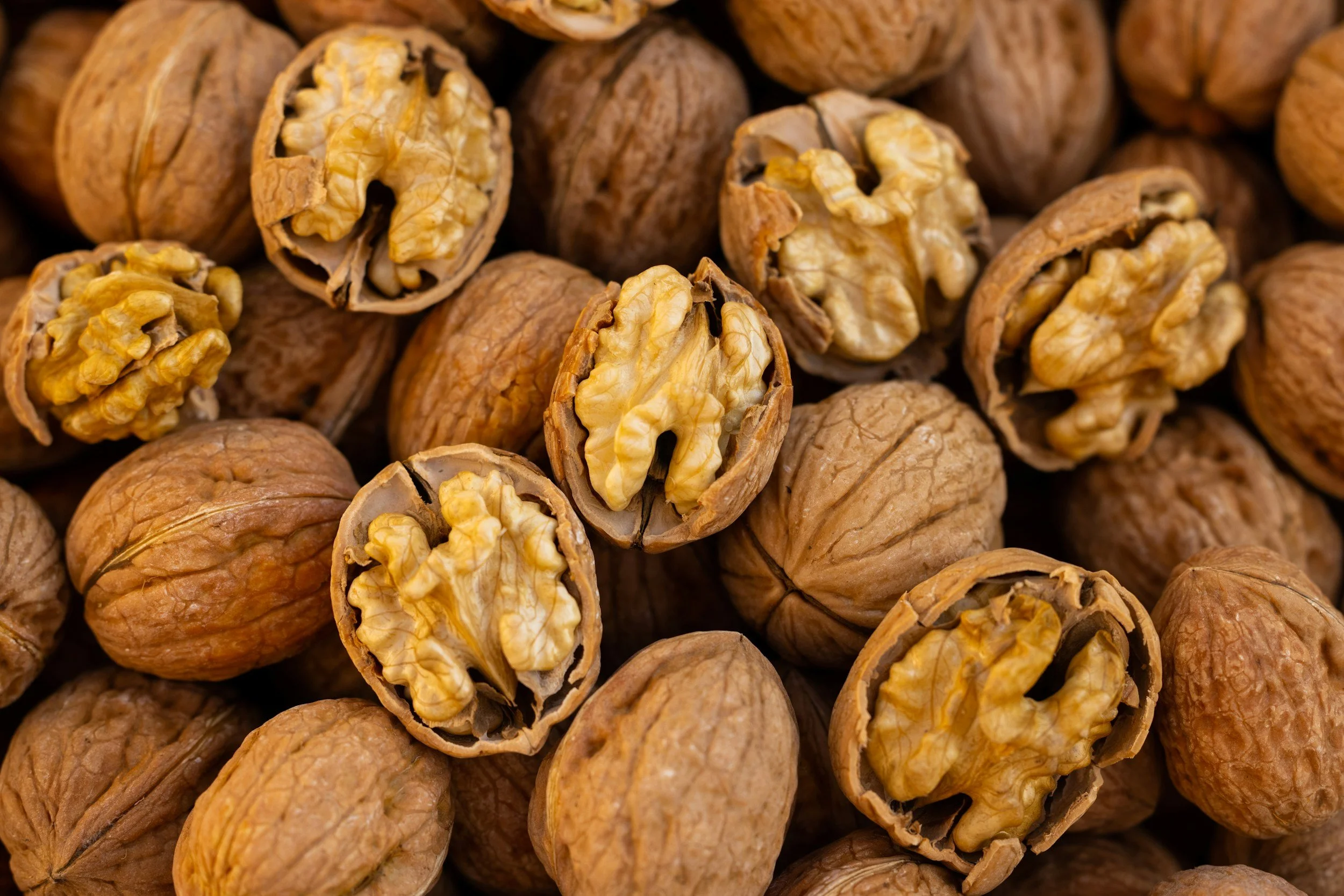
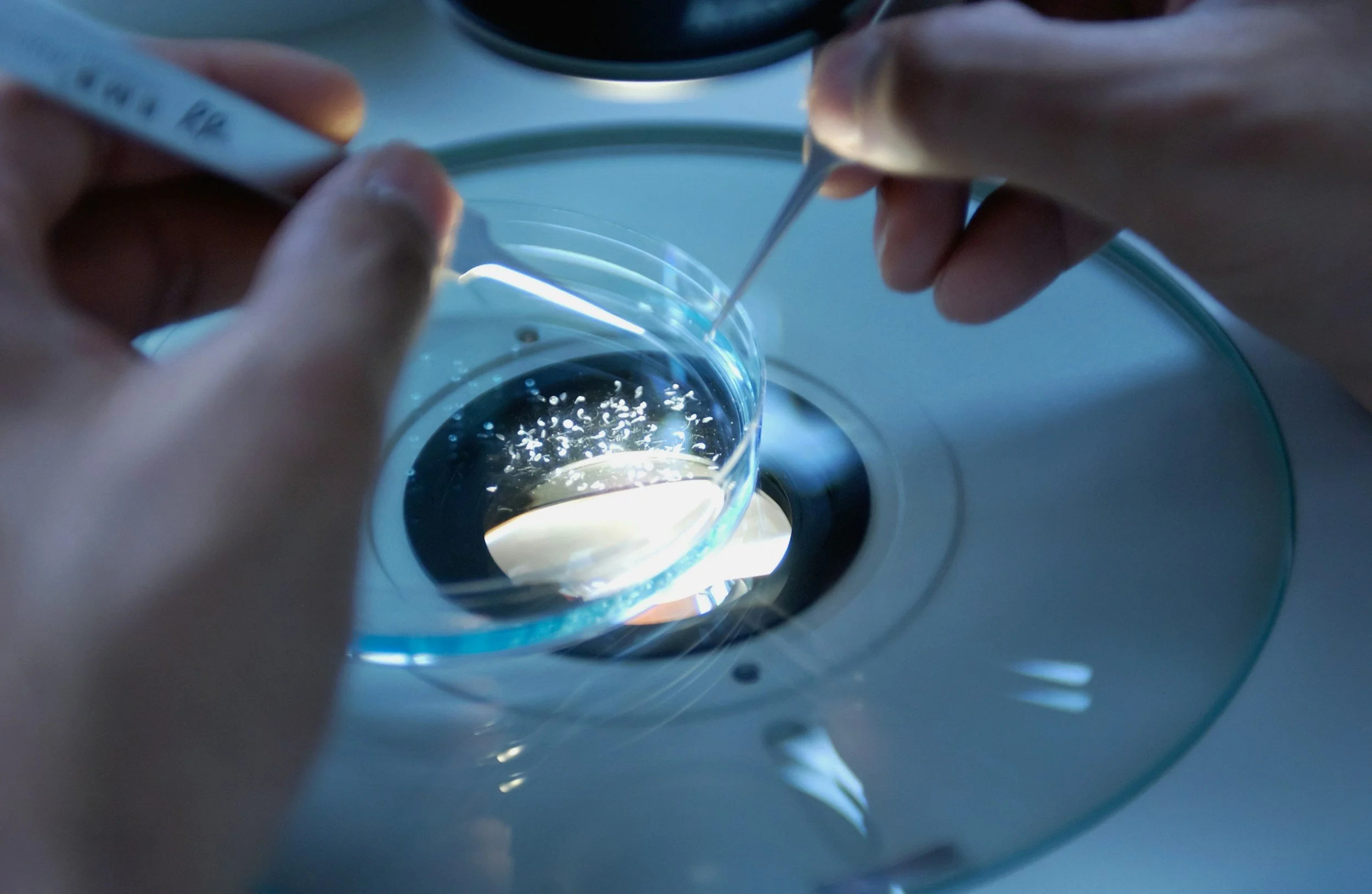
Key Antioxidants Linked to Longevity and Reproductive Health
• Vitamin C — Protects DNA, supports immune function, and is abundant in seminal fluid.
• Vitamin E — Helps stabilize cell membranes and reduce oxidative damage.
• Zinc — Critical for hormone regulation and antioxidant defense.
• CoQ10 — Supports mitochondrial energy production and reduces oxidative stress.
• Selenium — Essential for antioxidant enzymes that protect reproductive tissues.
• Polyphenols — Found in berries, teas, and plants; linked to reduced inflammation and improved lifespan markers.
These nutrients support both reproductive function and systemic health.

Antioxidants and Life Expectancy: What Research Shows
Studies consistently show that higher antioxidant intake is associated with:
• Lower inflammation
• Reduced risk of chronic disease
• Improved cardiovascular health
• Better metabolic stability
• Slower cellular aging
These factors collectively contribute to longer life expectancy.
While semen volume is not a longevity metric, the antioxidant‑driven improvements in cellular health benefit both reproductive and systemic aging pathways.

Lifestyle Factors That Strengthen the Antioxidant-Longevity Connection
Antioxidants work best when paired with healthy habits:
Hydration
Regular exercise
Adequate sleep
Stress reduction
Balance Nutrition
Avoiding smoking and excessive alcohol
These habits improve both reproductive health and long-term wellness.

Conclusion
Increasing semen volume does not extend life expectancy on its own. However, the antioxidant-rich supplementation strategies often used to support semen volume can also reduce oxidative stress — one of the most important biological drivers of aging.
By improving antioxidant status, individuals may support both reproductive health and long-term wellness, creating a meaningful connection between the two topics.